TORTINI

For your delectation and delight, desultory dicta on the law of delicts.

Kiker v. Smithkline Beecham & the Pathology of Judicial Gatekeeping

January 4th, 2017

There is no expedient to which a man will not go to avoid the labor of thinking.”                                                                                    Sir Joshua Reynolds

Medical students study pathology not only to understand the nature, course, and causation of disease, but also to understand better normal tissue and cellular function and structure. Similarly, lawyers can improve their understanding of judicial decision making, not only from studying well-reasoned judicial opinions, but from also studying pathological opinions, with clear, demonstrable errors that help illustrate both the pathogenesis of intellectual and judicial error, as well as the normal, proper function of judging.

At the end of each year, bloggers and pundits traditionally call attention to the best and the worst decisions, usually from a partisan perspective. One federal judicial decision on Rule 702, however, stands out for special treatment as a veritable Berenstain Bears’ manual on how not to adjudicate so-called Daubert motions. Kiker v. Smithkline Beecham Corp., 2:14-cv-02164-EAS-TPK, (S.D. Ohio, Dec. 15, 2016) (Sairgus, C.J.) [cited below as Kiker slip op.] The Kiker opinion is as worthy of dissection as a judicial opinion for lawyers, as is the dissection of a cadaver by medical students in their first-year course on clinical anatomy.

The Kiker plaintiffs claimed that maternal use of paroxetine (tradename Paxil) caused her child to develop a ventricular septal defect. The defendant, GlaxoSmithKline LLC (GSK), invoking Federal Rule of Evidence 702, moved to exclude opinion testimony of several of plaintiffs’ expert witnesses, including Laura M. Plunkett, Ph.D., Ra-id Abdulla, M.D. Kiker slip op. at 1. The gravaman of the plaintiffs’ case is that GSK did adequately warn physicians of the risk to offspring of women who took paroxetine in pregnancy until September 2005. At that time, GSK revised its labeling for Paxil to warn of the “increased risk for cardiovascular malformations.” Kiker slip op. at 3.

The plaintiffs threw in the kitchen sink with their allegations, which included specific averments that GSK should have informed the medical community about “significant” adverse event reporting and the meaning of claimed deaths among rat pups in high-dose maternal toxicity testing. Not content with a failure to warn case, plaintiffs ratcheted their allegations into a fraudulent misrepresentation case, as well. Kiker slip op. at 3-4. Laura Plunkett and Ra-id Abdulla were the principal expert witnesses relied upon by plaintiffs for their hyperbolic claims.

The Standard

Chief Judge Sargus started his description of the governing law by insisting that the standard for expert witness gatekeeping was “flexible”; that is, he would follow the “Gumby Rule,” which allows the trial judge maximal flexibility and stretch to admit dubious expert witness opinions. Chief Judge Sargus employed the usual reductionist criteria for assessing “reliability.” Citing Kumho Tire, he explained that the court’s role was to ascertain whether

an expert . . . employs in the courtroom the same level of intellectual rigor that characterizes the practice of an expert in the relevant field.”

Kumho Tire Co. v. Carmichael, 526 U.S. 137, 152, (1999). He also acknowledged that Daubert had provided some indicia of reliability in factors such as

testing, peer review, publication, error rates, the existence and maintenance of standards controlling the technique’s operation, and general acceptance in the relevant scientific community.”

Kiker slip op. at 7, quoting from United States v. Langan, 263 F.3d 613, 621 (6th Cir. 2001) (citing Daubert v. Merrell Dow Pharm, Inc., 509 US. 579, 593-94 (1993)).

Chief Judge Sargus was then quick to point out that the cited Daubert factors do not make up a definitive, dispositive test or checklist, which presumably gave him license to ignore these factors and their absence, all together. Nowhere later in his opinion on the contested reliability of plaintiffs’ expert witnesses’s causation opinions is there any discussion of the actual testing, its validity, its pre-publication and post-publication peer review, error rates, standards for assessing causation, or general acceptance of the claimed methodologies. And of course, the discretion permitted district judges in performing their gatekeeping function is not the discretion to abandon the gatekeeping function and to ignore relevant methodological criteria. See Kumho Tire, 526 U.S. 137, 158-59 (Scalia, J., concurring).

Semantic Legerdemain Substitutes for Demonstration of General Causation

Chief Judge Sargus acknowledged that there is a “specific methodology” used by scientists to assess a body of evidence for causation of birth defects, but then proceeded to ignore that methodology without bothering to describe or apply it. Kiker slip op. at 10. What gave the trial judge his argument for ignoring the “specific methodology” used by scientists, the Daubert factors, and indeed any and all factors for assessing the validity of a scientific claim and conclusion, was the language used by the Food and Drug Administration (FDA) and GSK, the NDA-holder, in various communications. Rather than engage in an intellectually challenging exploration and evaluation of the actual scientific evidence and analysis that underlay the plaintiffs’ expert witnesses’ causation opinions, Chief Judge Sargus pointed to the language used by the FDA in its original Public Health Advisory about the issue of congenital cardiac malformations in children of mothers who ingested paroxetine in their first trimester of pregnancy:

[t]he FDA has determined that exposure to paroxetine in the first trimester of pregnancy may increase the risk for congenital malformations, particularly cardiac malformations. At the FDA’s request, the manufacturer has changed paroxetine’s pregnancy category from C to D and added new data and recommendations to the WARNINGS section of paroxetine’s prescribing information. FDA is awaiting the final results of recent studies and accruing additional data related to the use of paroxetine in pregnancy in order to better characterize the risk for congenital malformations associated with paroxetine.”

Kiker slip op. at 10, quoting from FDA Public Health Advisory (Dec. 8, 2005), available at <http://www.fda.gov/Drugs/DrugSafety/PostmarketDrugSafetyInformationforPatientsandProviders/ucm051731.htm> (emphasis added).

Chief Judge Sargus apparently was oblivious to the difference between “X causes Y” and “X may increase the risk of Y.” As the trial judge, he also fixed on the FDA’s decision to change the pregnancy category labeling for paroxetine from Category C to Category D, with the latter category’s reflecting “positive evidence of human risk.” Kiker slip op. at 11. Again, the existence of evidence for risk is not, and never has been, the existence of evidence that would support a reasonable, reliable conclusion that paroxetine causes cardiac birth defects. Nothing can explain or justify this incredible reliance and misinterpretation of language, and Chief Judge Sargus makes no attempt to defend his linguistic contortions.

Chief Judge Sargus ends with an implied assertion that he, as trial judge, need not spend any time on assessing the quantity or quality of evidence for a conclusion of causality because GSK has admitted that paroxetine causes cardiac birth defects. The GSK Dear Healthcare Provider Letter, the FDA Safety Alert, along with the (preliminary) results of a single epidemiologic study

combine in this instance to constitute an admission that Paxil can cause injury, and is sufficient to create an issue of fact regarding causation.”

Kiker slip op. at at 15.

Whence comes this incredible reliance upon the language of a package insert?  Chief Judge Sargus points to Judge James Gwin’s decision in In re Meridia, and proceeds to provide two pages, single-spaced, of block quotation from the Meridia decision. Kiker slip op. at 13-15, quoting from In re Meridia Prods. Liab. Litig., 328 F. Supp. 2d 791, 800-01 (N.D. Ohio 2004).

Interspersed in the two pages of quotation from Meridia were citations to Ferebee and Wells, two of the most discredited, disreputable federal court decisions on biomedical causation, both of which were effectively overruled sub silentio by the Supreme Court in Daubert. Chief Judge Sargus argues that the Meridia decision held that “product inserts to both physicians and patients” constituted “admissions of Meridia’s potential to cause substantial increases in blood pressure in some patients. Meridia, 328 F. Supp. 2d at 810. Affirming the district court’s decision in Meridia, the Sixth Circuit specifically upheld the district court’s determination that the FDA warning label at issue in that case “constitutes an admission that Meridia can cause injury.” Meridia Prods. Liab. Litig. v. Abbott Labs, 447 F.3d 861, 866 (6th Cir. 2006).

This analytical shortcut has serious problems. First, as a first year law student might observe, the Meridia decision resulted in the exclusion of plaintiffs’ key expert witness and the grant of summary judgment to the defendant on adequacy of its warning, all of which the Sixth Circuit affirmed. Given that there was no liability, the comments about causation would seem to be dictum, not holding. Second, with respect to the issue of warnings as admissions, the Circuit agreed that the district court had construed the defendant’s package insert warning that the medication ‘‘substantially increases’’ blood pressure as an admission, but that such unequivocal language was quite different from warning language that states medication use ‘‘is associated with’’ an adverse event. 447 F.3d at 866. The FDA’s Public Health Advisory, the change to Category D, and GSK’s own sponsored study did not, individually or collectively, state a finding of anything more than an association, and that there “may be an increased risk.”

Of course, Chief Judge Sargus’s glib exercise eliminated all the difficult thought of evaluating actual scientific evidence. The indolent approach used in Kiker committed another blatant error. The approach not only relied incorrectly upon some language of the FDA and medication license holder, but it ignored all the contrary evidence, context, and analysis that kept the FDA from reaching a conclusion of causality in 2005, and most scientists to this very day. Furthermore, the Kiker approach conveniently ignored that over a decade of additional evidence, much of it exonerating paroxetine. Chief Judge Sargus has misidentified the weakest, incomplete, out-of-date, cherry-picked evidentiary display with reliable evidence that purports to support a causal conclusion.

Non-Specific Confusion on Specific Causation

Having announced that the court will not grant a hearing, or even an on-the-paper review of the actual evidence for plaintiffs’ causal claims, Chief Judge Sargus proceeded to make even shorter work of the issue of specific causation. The only support for specific causation in the case was in the proffered testimony of Dr. Ra-id Abdulla, a serial testifying expert witness in anti-depressant birth defects cases. Abdulla purported to conduct a differential diagnosis to discern the cause of the infant plaintiff’s birth defect, a ventricular septal defect. Kiker slip op. at 16.

The diagnosis of the infant Kiker’s birth defect, however, was never in doubt; rather it was the etiology of the septal defect, which was at issue. Abdulla claimed to have ruled out all other potential alternative causes. Kiker slip op. at 18. Even if Abdulla’s claim could be accepted for known causes of septal defects, he would still be faced with a situation in which there are baseline or background cases of septal defects, which occur in children with no known or even suspected risk factor. The court failed to explain how Abdulla ruled out such unknown, prevalent causes of septal defects in the Kiker plaintiff. To be sure, the court appeared to have fallen for the “treating physician” ruse, which suggests that treating a condition provides some magical insight into the cause of that condition. Kiker slip op. at 19-20.

No explanation was cited by the court for how Abdulla worked his magical clinical inference of specific causation. Sadly, there is no such magic, except in the form of the magic thinking evidenced here by Abdulla, and acquiesced in by Chief Judge Sargus. No biomarker of causal originst distinguishes the Kiker plaintiff’s septal defect from one caused by any other cause, whether or not established by current medical science. Moreover, Abdulla’s magical thinking cannot be swept under the Kumho Tire rug of appropriate level of rigor in the field. The Kiker court cited no evidence that pediatric cardiologists routinely and reliably make the specific causal attribution that Dr. Abdulla made in this case, as a paid, testifying expert witness. The court incredulously accepted Abdulla’s hand waving about the epistemic warrant of experience, education, training that has nothing to do with discerning individual causes.

GSK asked for oral argument, which may have been Chief Judge Sargus’s last clear chance to avoid these errors. Declaring that the record was fully developed, Judge Sargus denied the request for a hearing. Kiker slip op. at 1, 4. We are left with a profoundly flawed misunderstanding of scientific evidence and causal inference.

In Queue for the Q

January 1st, 2017

All right, this has nothing to do with law, evidence, or statistics, but what a great day for New York and the Upper Eastside. Today, the “Second Avenue Line,” an extension of the Q subway line opened for business.

The local radio stations announced that the MTA would give away free subway day passes at 11 a.m., at the new 86th street station. Even before the hour, a queue formed of locals eager for a free first ride on the Second Avenue line. At 11:15 a.m., Congresswoman Carolyn Mahoney arrived. She did not greet anyone in the queue; rather, she planted herself in front of TV cameras to which she made kissy faces and self-congratulatory noises. Of course, the MTA has little or nothing to do with the federal government, and the rationale for her presence was curiously absent. Mayor DeBlasio, who lives but four blocks away in Gracie Mansion, however could not be bothered to show up. No doubt he was still in bed, and nursing a hang over.

Not only did Mahoney did speak to anyone in the queue, going to the Q, her remarks for the TV and radio media were whispered into microphones. Standing about four feet away from her, I could barely hear a word she said. Surely no one behind me heard her, and she clearly did not care. Mahoney had greater audiences in mind, and no apparent interest in actually interacting with her constituents. Perhaps she was hung over from New Year’s Eve festivities.

With Congresswoman Mahoney were her minions, who started to hand out the coveted free passes, but not to the people who had peacefully assembled and patiently waited in line. Because the TV cameras set up around Mahoney, her minions had to hand out cards close to her and to the cameras so that the TV audiences would see the handouts as Mahoney’s largesse. There was a visually impaired woman at the front of the line, with her guide dog, Kudo, but they were ignored by Mahoney and her aides, as well as by the media. Finally, in a Bonfire of the Vanities moment, as Mahoney started to drift away, a boisterous woman pushed her way in front of the cameras, while exclaiming that she wasn’t being pushy, because, after all, she had bona fide press credentials. So the TV cameras shifted to her, and she, a media person, was then interviewed by the media. Where was Tom Wolfe to capture this wonderful New York moment?

Guide Dog Kudo Leads the Way as First Dog Rides the Second Avenue Line on New Year’s Day, 2017

Finally, at noon, the police tape was unceremoniously pulled away, and the Second Avenue line was opened to the hoi polloi. The subway cars were not new, but were appropriately clean for the occasion. The first downtown train today on the new Second Avenue line left from 86th Street, amid great fanfare and cheering. When the subway reached 72nd Street, the conductor held the train for almost 15 minutes due to traffic on the line. Huh? I suspect that the conductor wanted the passengers to have that real MTA experience.

The subway stations at 96th, 86th, 72nd, and 63rd streets all had that wonderful new subway station smell, almost as good as a new BMW. And each of these four stations has become a wonderful museum of public art, each worth an MTA card for the price of admission. See Muoio, “New York’s long-awaited Second Avenue subway features some incredible artwork” (Dec. 30, 2016). I will leave the exhibits for the art critics to describe, except to say that the 86th, 72nd, and 63rd street stations have become outstanding artistic tributes to New York City and its residents. Thankfully, there was no sign of any likeness of Donald Trump.

A hundred years late, the Second Avenue subway has arrived. It does not go as far as it should, but perhaps Governor Cuomo will take a page out the Robert Moses playbook and use the stub as leverage to get the whole thing done. The Governor seems to have the right stuff to get infrastructure programs completed. If infrastructure were up to Mayor DeBlasio, we would still be waiting for the Second Avenue line along with the resurrection of Robert Moses himself.

More Ancient Document Epistemic Nihilism

December 30th, 2016

Man-Bats and Woman-Bats have populated the moon. It’s a fact.

Man- and Woman-bats playing at a lunar resort in 1835

As Daniel Capra has pointed out, newspapers can qualify for ancient documents and an exception to the rule against hearsay. Daniel J. Capra, “Electronically Stored Information and the Ancient Documents Exception to the Hearsay Rule Exception to the Hearsay Rule: Fix It Before People Find Out About It,” 17 Yale J.L. & Tech. 1 (2015). Newspaper articles older than 20 years, found in a place where you would expect them, such as the library or an on-line archive, are admissible for their truth. Ammons v. Dade City, Florida, 594 F. Supp. 1274, 1280 & n.8 (M.D. Fla. 1984) (citing pre-Federal Rules of Evidence case, Dallas County v. Commercial Union Insurance Co.,286 F.2d 388 (5th Cir.1961) (upholding admissibility of 58 year old newspaper articles to illustrate the scope of the ancient doctrine exception), and post-Rule cases, Bell v. Combined Registry Co.,397 F. Supp. 1241, 1246, 1247 (N.D.Ill. 1975) aff’d 536 F.2d 164 (7th Cir. 1976) (admitting newspaper articles into evidence under Federal Rule of Evidence 803(16)).

In August 1835, The New York Sun ran a series of six articles that announced and described the discovery of interesting life forms on the moon, including unicorns, two-legged beavers, and most important man-bats. Also women-bats; all frolicking among giant crystals, flowing rivers, and lush vegetation. See Andrew Grant, “Great Astronomical Discoveries Lately Made by Sir John Herschel, L.L.D, F.R.S, &c. at The Cape of Good Hope. [From Supplement to the Edinburgh Journal of Science] New York Sun (August 1835). 

Dr. Grant was described as a colleague of the then famous astronomer Sir John Herschel, but alas, the author noted by the Sun never existed. And the Edinburgh Journal of Science had long been defunct well before 1835, when the articles ran in the Sun. The articles are often attributed to a Cambridge-educated journalist, Richard Adams Locke. Locke supposedly was satirizing a popular religious writer, Reverend [sic] Thomas Dick, whose books described extraterrestrial life, including billions of inhabitants on the moon. Of course, clerics are used to making things up or accepting ancient documents as Gospel truth.

Today the incident is known as the Great Moon Hoax, which shows that fake news has been with us for a long time, perhaps forever. Matthew Goodman, The Sun and the Moon: The Remarkable True Account of Hoaxers, Showmen, Dueling Journalists, and Lunar Man-Bats in Nineteenth-Century (2008)

You may wonder whether the newspaper articles, found in places where you would expect them, could count as evidence in a courtroom today for man-bats. And woman-bats. The Sun has never retracted its series on Man-Bats, and the paper is now defunct.  There is no one alive today who had the opportunity to observe the lunar surface through a high-power telescope in the 1830s. Perhaps the opponent of this evidence could call an expert witness on hoaxes to offer an opinion that the series of articles were, in his opinion, a fabrication. Of course, many hoaxes persist. Maybe we should do away with a federal rule that would give life to these fantastic creatures.

Man-bat with lunar volcano in background circa 1835

Epistemic Nihilism and Ancient Documents

December 28th, 2016

This year, the Judicial Conference Advisory Committee on Evidence Rules proposed abrogation of the current “ancient documents” exception to the rule against hearsay, Rule 803(16). The proposal would, if adopted, become effective on December 1, 2017. See James A. King & Kirsten Fraser, “Say Goodbye to the ‘Ancient Documents’ Rule,A.B.A. Trial Evidence (Feb. 17, 2016).

Under the Federal Rules of Evidence, an old document, one over 20 years old, found in a place where one would expect to find it is treated as “authentic.” The finder of fact, judge or jury, may accept the document for what it purports to be simply because of its age and the manner of its discovery. Rule 901(b)(8). The Federal Rules, however, go further and permit the document, authenticated as a so-called “ancient document,” to be accepted for the truth of the statements it contains. Rule 803(16).

The rationale offered by the Deans of Evidence Law for this remarkable exception to the rule against hearsay is that old documents predate the legal controversies in which they might later be used in evidence, and that we might not have any other admissible evidence relevant to events in the distant past (greater than twenty years). “[A]ge affords assurance that the writing antedates the present controversy” wrote the Federal Rules of Evidence Advisory Committee. Fed. R. Evid. 803(16) advisory committee note.

Pithy and pathetic. The proffered rationale was not valid when Rule 803(16) was initially drafted or promulgated, and it is not valid today. Old does not suggest or equate with reliability, and the present controversy is not the only source of bias and error in past statements that happened to be put in writing.

First, contrary to the conjecture of the common law, many documents were and are created with a view to influence potential controversies decades later. Mergers, acquisitions, and divestitures of companies are often governed by documents that explicitly acknowledge controversies that could stretch into the distant future.

Second, sometimes the exact motivation to falsify, fabricate, or fudge is not exactly the same as later will exist in later litigation, but it is similar. So when a young patient misrepresents his smoking history to a physician, he may simply be trying to avoid a disapproving lecture from his healthcare provider. Years later when he has developed lung cancer, and he is trying to blame anything but smoking in a lawsuit, he will rely upon the distorted report of his tobacco consumption. Of course, in many other situations, the motive to create misleading documents will arise from the expectation of the possibility or probability of future litigation over intellectual or real property rights, insurance contracts, etc.

Professor Daniel J. Capra of Fordham Law School, for many years the Reporter to the Judicial Conference Advisory Committee on Evidence Rules, has not been shy about the slim to none justification for Rule 803(16). In a podcast interview with Professor Ed Cheng, Capra laid out the case against Rule 803(16), and its evanescent rationale. See Excited Utterance website, Daniel Capra, “Electronically Stored Information and the Ancient Documents Exception” (Aug. 22, 2016). Preliminary Draft of Proposed Amendments to the Federal Rules of Bankruptcy Procedure and the Federal Rules of Evidence (Aug. 2015). Capra had previously deconstructed Rule 803(16) in a law review article, with the usual scholarly apparatus of footnotes and review of historical sources. Daniel J. Capra, “Electronically Stored Information and the Ancient Documents Exception to the Hearsay Rule Exception to the Hearsay Rule: Fix It Before People Find Out About It,” 17 Yale J.L. & Tech. 1 (2015) [cited as Capra].

As Capra puts it, the justification for Rule 803(16) was “never very convincing in the first place,” Capra at 1, 5, and “a radical and irrational hearsay exception – an error of the common law,” Capra at 11. The equating of a document’s authenticity with the trustworthiness of assertions contained within the document is “curious.” Capra at 9. Curiously, Capra balks at complete abrogation.

The law professor may have well said that the rule is capricious. Still, on gossamer grounds, Capra argues to retain the rule for hardcopy old evidence, but to abandon it for electronically stored information. Capra seems to buckle under the prospect of abrogating a rule, which leads him to “split the baby.” As trenchant as Capra’s critique is, most of his defense of retaining the Rule for hardcopy documents is as unsupported as the original Rule 803(16). Capra, for instance, suggests that “the likelihood of finding a hardcopy document that is twenty years old and also relevant to an existing litigation is quite small.” Capra at 5. Capra offers no empirical evidence for this startling assertion. Similarly, Capra claims that Rule 803(16) is rarely invoked, but he cites only to the paucity of cases that discuss this exception. Capra at 12. Capra thus claims negative evidence for the infrequent use, but the failure of judges to discuss this rule in published decisions may well be the result mechanical simplicity of the rule, which rarely leads to post-trial motions and appeals.

The original rational for Rule 803(16), and a rallying cry for its retention, is the supposed necessity to have some evidence to make out the events of times past. The objectors, however, generally fail to make out their case that the residual hearsay rule (Rule 807), as well as the business record and other exceptions, do not accomplish the twin goals of providing some evidence of past events while maintaining some semblance of reliability in fact finding.

The Rule Committee’s proposal has been met with an organized campaign from the lawsuit industry, both through the self-aggrandizingly named American Association for Justice (AAJ) and many of its members.. A rough count suggests that about 82 out of 218 comments came from asbestos plaintiffs’ lawyers. See, e.g., Comment from Robert Jacobs, American Association of Justice; Comment from Larry Tawwater, American Association for Justice (AAJ); Testimony of Marc P. Weingarten; Comment from Robert Paul, NA; Comment from Mark Gallagher, NAComment from Joseph Rice, NA.

The lawsuit industry lawyers argue that they will be deprived of the ability to show scienter or knowledge of a risk in latent disease litigation in which disease outcomes are lagged several decades after first exposure. Their argument, however, misses the point that many documents in company files, while not admissible for their truth, will be evidence of “notice” of a potential hazard, and the documents would be admissible for “state of mind,” and not the truth, in any event. Given the changes in epistemic standards for establishing causation, it is unlikely that really ancient documents will move the fact finder any closer to the truth of the actual fact of asserted causation. SeeTime to Retire Ancient Documents As Hearsay Exception” (Aug. 23, 2015); “Ancient Truths” (May 5, 2016).

The asbestos plaintiffs’ lawyers thus argue that they would be deprived of important evidence such as the “Sumner Simpson” documents in asbestos cases. See Threadgill v. Armstrong World Indus., Inc., 928 F.2d 1366 (3d Cir. 1991). The plaintiffs’ argument rests upon an epistemic mistake. If knowledge is true, justified belief, then they do not need Rule 803(16) to show that the Sumner Simpson documents contain true statements; it is enough that they show that the authors believed what they said. In other words, the plaintiffs need only show that the documents reflect the declarants’ state of mind. Whether the statements are justified as true will require a complex mixture of current evidence about what health effects can be shown to be caused by the exposures of old, and what justifications were valid in today’s knowledge that were available and embraced by the declarants in the ancient documents.

Insurance coverage plaintiffs’ counsel have argued that they need Rule 803(16) to meet their burden of proof, and that insureds rely on both internal and external records. A policyholder’s internal records might include financial statements, annual reports, meeting minutes, check registers, contracts referencing insurance, insurance policies referencing other insurance policies, and/or accounting ledgers. Comment from Sherilyn Pastor, NA.

Most of the special pleading of these interest groups is wide of the mark. Old statements may be relevant and admissible for the speaker’s or reader’s statement of mind, and thus not hearsay. Old reliable documents can still be admitted under the residual exception, Rule 807, or under the business records exception, 803(6). Statements made in the making of contracts are operative facts of offer and acceptance, “speech acts,” and not offered for their truth.

The fact that a document is old may perhaps add to its authenticity, but in many technical, scientific, and medical contexts, the “ancient” provenance actually makes the content unlikely to be true. As such, the rule as now in effect is capable of much mischief and undermines accurate fact finding. The pace of change of technical and scientific opinion and understanding is too fast to indulge this exception that permits out-dated, false statements of doubtful validity to confuse the finder of fact. With respect to statements or claims to scientific knowledge, the Federal Rules of Evidence have evolved towards a system of evidence-based opinion, and away from naked opinion based upon the apparent authority or prestige of the speaker. Similarly, the age of the speaker or of the document provides no warrant for the truth of the document’s content. Of course, the statements in authenticated ancient documents remain relevant to the declarant’s state of mind, and nothing in the proposed amendment would affect this use of the document. As for the contested truth of the document’s content, there will usually be better, more recent, and sounder scientific evidence to support the ancient document’s statements if those statements are indeed correct. In the unlikely instance that more recent, more exacting evidence is unavailable, and the trustworthiness of the ancient document’s statements can be otherwise established, then the statements would probably be admissible pursuant to other exceptions to the rule against hearsay, as noted by the Committee. The proposed abrogation of this exception to the rule against hearsay should be welcomed; it is long overdue. And if it Capra is correct that ancient hardcopy rarely exists, and that the ancient document rule is rarely invoked, then abrogation cannot have the effect of defeating expectations and reliance upon this dubious mode of proof.

Of course, witnesses who are the declarants in the ancient documents may have died or moved away, but that is precisely why the law generally has statutes of limitations. When the law has generously created discovery rules, it should not then promulgate unreasonable, unreliable rules of evidence simply because it has extended the life on what otherwise would be stale claims.

Fake Science News

December 17th, 2016

Fakers to the left; fakers to the right. Everyone has his or her knickers in a knot over fake news these days.  But who will speak out against fake science news?

Oberle Communications LLC[1] puts out a “Product Safety Letter,” with almost daily emails that link to published articles of interest to lawyers and others who are concerned with product safety. According to its self-description, Product Safety Daily is a “fair-use news-link service,” and its owner claims not to be responsible for the accuracy, or truthfulness, of linked articles.

Sounds like Facebook; no?

The Guardian is British newspaper, with affiliates in the United States and elsewhere, owned by the Guardian Media Group, which in turn is owned by The Scott Trust Limited. The Scott Trust declares that it exists to produce The Guardian, and “to safeguard the journalistic freedom and liberal values of The Guardian free from commercial or political interference.” Lofty goals, those are. Oberle Communications might feel secure in pointing to an article in The Guardian, on product safety. As far as newspapers are concerned, The Guardian enjoys a good reputation, and has won awards for its investigative journalism, most recently on unlawful government surveillance.

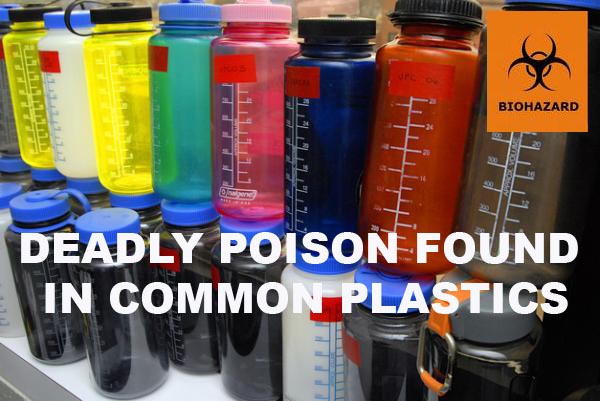
Recently, the Product Safety Letter linked to an article by an Assistant Editor of The Guardian on supposed health effects of plastics. Chukwuma Muanya, “How Plastics Cause Autism, Diabetes, Cancer, Birth Defects,” The Guardian (London, England) (Dec. 13, 2016).

The Mr. Muanya’s headline shouts about causation, but there is nothing in the text of the article to support, even remotely, anyone’s conclusion about causality. The text of the article states, without support, that “[r]ecent studies have associated the rise in autism, diabetes, cancer and birth defects to increase in the use of plastics in making everyday containers, toys and baby teethers or pacifiers.” One would think, hope, pray that The Guardian would know the difference between association and causation, but there is no evidence in this article to support an imputation of knowledge or understanding.

A photograph of baby bottles contains a caption that ramps up the Guardian’s rhetoric and propaganda:

KILLER PLASTICS… The invisible chemical cause neurological and behavioral disorders like autism and attention deficit and hyperactivity disorder (ADHD). They also affect IQ. And they manipulate hormones in a way that can cause cancer, diabetes, male infertility, and endometriosis. PHOTO CREDIT: http://www.viewzone.com/plastic-header.jpg

Wow.  These plastics are bad-ass actors. They manipulate; they cause; they kill.

From causation, to association, the author moves to the most abused journalese term in science reportage: “link”:

“the presence of toxins commonly found in plastic that have been linked to increased risk of cancer, heart disease and obesity.”

Mr. Muanya references, without link, citation, or mention of authors, a study by the American Chemical Society, which apparently reported that infants’ pacifiers contained Bisphenol A (BPA), Bisphenol S (BPS) or Bisephenol F (BPF), and that many also contained parabens, and antimicrobials such as triclosan and triclocarban. But the Society’s paper was about chemical content, not about health consequences. Without any reference or citation to published or unpublished studies, Mr. Muanya labels BPA, BPS, and BPF as “so-called endocrine-disrupting chemicals,” and tells us these chemicals “manipulate hormones in a way that can cause cancer, diabetes, male infertility, and endometriosis,” and that these chemicals “cause neurological and behavioral disorders like autism and ADHD,” and that they “also affect IQ.”

Apropos of nothing having to do with endocrine disrupters, or human disease, Mr. Muanya inserts a discussion of a Japanese study, reportedly published at the PLoS (but without providing link or citation) about how older male mice have offspring that exhibited “hyperlocomotion.” Still, Mr. Muanya, who has been billed as “Head Insight Team, Science & Technology,” does show that journalists can provide, when it suits them, actual references at least to authors by name. Nothing in the mouse study, however, explains the hypocognition exhibited by the Guardian’s science editor, or the shoddy journalistic practices.

So here we have a respected newspaper publishing a news story that at best is internally inconsistent and un-sourced, and which grossly misinterprets or overinterprets the available scientific evidence. Behold fake science news.


[1] 4915 St Elmo Ave, #204, Bethesda, MD 20814; Phone: (301) 215-9236.

Statistical Analysis Requires an Expert Witness with Statistical Expertise

November 13th, 2016

Christina K. Connearne sued her employer, Main Line Hospitals, for age discrimination. Main Line charged Connearne with fabricating medical records, but Connearne replied that the charge was merely a pretext. Connearney v. Main Line Hospitals, Inc., Civ. Action No. 15-02730, 2016 WL 6569292 (E.D. Pa. Nov. 4, 2016) [cited as Connearney]. Connearne’s legal counsel engaged Christopher Wright, an expert witness on “human resources,” for a variety of opinions, most of which were not relevant to the action. Alas, for Ms. Connearne, the few relevant opinions proffered by Wright were unreliable. On a Rule 702 motion, Judge Pappert excluded Wright from testifying at trial.

Although not a statistician, Wright sought to offer his statistical analysis in support of the age discrimination claim. Connearney at *4. According to Judge Pappert’s opinion, Wright had taken just two classes in statistics, but perhaps His Honor meant two courses. (Wright Dep., at 10:3–4.) If the latter, then Wright had more statistical training than most physicians who are often permitted to give bogus statistical opinions in health effects litigation. In 2015, the Medical College Admission Test apparently started to include some very basic questions on statistical concepts. Some medical schools now require an undergraduate course in statistics. See Harvard Medical School Requirements for Admission (2016). Most medical schools, however, still do not require statistical training for their entering students. See Veritas Prep, “How to Select Undergraduate Premed Coursework” (Dec. 5, 2011); “Georgetown College Course Requirements for Medical School” (2016).

Regardless of formal training, or lack thereof, Christopher Wright demonstrated a profound ignorance of, and disregard for, statistical concepts. (Wright Dep., at 10:15–12:10; 28:6–14.) Wright was shown to be the wrong expert witness for the job by his inability to define statistical significance. When asked what he understood to be a “statistically significant sample,” Wright gave a meaningless, incoherent answer:

I think it depends on the environment that you’re analyzing. If you look at things like political polls, you and I wouldn’t necessarily say that serving [sic] 1 percent of a population is a statistically significant sample, yet it is the methodology that’s used in the political polls. In the HR field, you tend to not limit yourself to statistical sampling because you then would miss outliers. So, most HR statistical work tends to be let’s look at the entire population of whatever it is we’re looking at and go from there.”

Connearney at *5 (Wright Dep., at 10:15–11:7). When questioned again, more specifically on the meaning of statistical significance, Wright demonstrated his complete ignorance of the subject:

Q: And do you recall the testimony it’s generally around 85 to 90 employees at any given time, the ER [emergency room]?

A: I don’t recall that specific number, no.

Q: And four employees out of 85 or 90 is about what, 5 or 6 percent?

A: I’m agreeing with your math, yes.

Q: Is that a statistically significant sample?

A: In the HR [human resources] field it sure is, yes.

Q: Based on what?

A: Well, if one employee had been hit, physically struck, by their boss, that’s less than 5 percent. That’s statistically significant.”

Connearney at *5 n.5 (Wright Dep., at 28:6–14)

In support of his opinion about “disparate treatment,” Wright’s report contained nothing than a naked comparison of two raw percentages and a causal conclusion, without any statistical analysis. Even for this simplistic comparison of rates, Wright failed to explain how he obtained the percentages in a way that permitted the parties and the trial court to understand his computation and his comparisons. Without a statistical analysis, the trial court concluded that Wright had failed to show that the disparity in termination rates among younger and older employees was not likely consistent with random chance. See also Moultrie v. Martin, 690 F. 2d 1078 (4th Cir. 1982) (rejecting writ of habeas corpus when petitioner failed to support claim of grand jury race discrimination with anything other than the numbers of white and black grand jurors).

Although Wright gave the wrong definition of statistical significance, the trial court relied upon judges of the Third Circuit who also did not get the definition quite right. The trial court cited a 2010 case in the Circuit, which conflated substantive and statistical significance and then gave a questionable definition of statistical significance:

The Supreme Court has not provided any definitive guidance about when statistical evidence is sufficiently substantial, but a leading treatise notes that ‘[t]he most widely used means of showing that an observed disparity in outcomes is sufficiently substantial to satisfy the plaintiff’s burden of proving adverse impact is to show that the disparity is sufficiently large that it is highly unlikely to have occurred at random.’ This is typically done by the use of tests of statistical significance, which determine the probability of the observed disparity obtaining by chance.”

See Connearney at *6 & n.7, citing and quoting from Stagi v. National RR Passenger Corp., 391 Fed. Appx. 133, 137 (3d Cir. 2010) (emphasis added) (internal citation omitted). Ultimately, however, this was all harmless error on the way to the right result.

Benhaim v. St. Germain – Supreme Court of Canada Wrestles With Probability

November 11th, 2016

On November 10, 2016, the Supreme Court of Canada handed down a divided (four-to-three decision) in a medical malpractice case, which involved statistical evidence, or rather probabilistic inference. Benhaim v. St-Germain, 2016 SCC 48 (Nov. 10, 2016).  The case involved an appeal from a Quebec trial court, and the Quebec Court of Appeal, and some issues peculiar to Canadian lawyers. For one thing, Canadian law does not appear to follow lost-chance doctrine outlined in the American Law Institute’s Restatement. The consequence seems to be that negligent omissions in the professional liability context are assessed for their causal effect by the Canadian “balance of probabilities” standard.

The facts were reasonably clear, although their interpretation were disputed. In November 2005, Mr. Émond was 44 years old, a lifelong non-smoker, and in good health. At his annual physical with general practitioner Dr. Albert Benhaim, Émond had a chest X-ray (CXR). Benhaim at 11, 6. Remarkably, neither the majority nor the dissent commented upon the lack of reasonable medical necessity for a CXR in a healthy, non-smoking 40-something male. Few insurers in the United States would have paid for such a procedure. Maybe Canadian healthcare is more expansive than what we see in the United States.

The radiologist reviewing Mr. Émond’s CXR reported a 1.5 to 2.0 cm solitary lesion, and suggested a review with previous CXRs and a recommendation for a CT scan of the thorax. Dr. Benhaim did not follow the radiologist’s suggestions, but Mr. Émond did have a repeat CXR two months later, on January 17, 2006, which was interpreted as unchanged. A recommendation for a follow-up third CXR in four months was not acted upon. Benhaim at 11, 7. The trial court found that the defendant physicians deviated from the professional standard of care, a finding from which there was no appeal.

Mr. Émond did have a follow-up CXR at the end of 2006, on December 4, 2006, which showed that the solitary lung nodule had grown. Follow up CT and PET scans confirmed that Mr. Émond had Stage IV lung cancer. Id.

The issues in controversy turned on the staging of Mr. Émond’s lung cancer at the time of his first CXR, in November 2005, the medical consequences of the delay in diagnosis. Plaintiffs presented expert witness opinion testimony that Mr. Émond’s lung cancer was only Stage I (or at most IIA), at initial radiographic discovery of a nodule, and that he was at Stage III or IV in December 2006, when CT and PET scans confirmed the actual diagnosis of lung cancer. In the view of plaintiff’s expert witnesses, the delay in diagnosis, and the accompanying growth of the tumor and change from Stage I to IV, dramatically decreased Émond’s chance of survival. Id. At 13, 15-16. Indeed, plaintiff’s expert witnesses opined that had Mr. Émond been timely diagnosed and treated in November 2005, he probably would have been cured.

The defense expert witness, Dr. Ferraro, testified that Mr. Émond’s lung cancer was Stage III or IV in November 2005, when the radiographic nodule was first seen, and his chances of survival at that time were already quite poor. According to Dr. Ferraro, earlier intervention and treatment would probably not have been successful in curing Mr. Émond, and the delay in diagnosis was not a cause of his death.

The trial court rejected plaintiffs’ expert witnesses’ opinions on factual grounds. These witnesses had argued that Mr. Émond’s lung cancer was at Stage I in November 2005 because the lung nodule was less than 3 cm., and because Mr. Émond was asymptomatic and in good health. These three points of contention were clearly unreliable because they were all present in January 2007, when Mr. Émond was diagnosed with Stage IV cancer, according to all the expert witnesses. Every point cited by plaintiffs’ expert witnesses in support of their staging failed to discriminate Stage I from Stage III. In Her Honor’s opinion, the lung cancer was probably Stage III in November 2005, and this staging implied a poor prognosis on all the expert witnesses’ opinions. The failure to diagnose until late 2006 was thus not, on the “balance of probabilities” a cause of death. Id. At 15, ¶21.

The intermediate appellate court reversed on grounds of a presumption of causation, which comes into being when the defendant’s negligence interferes with plaintiff’s ability to show causation, and there is some independent evidence of causation to support the case. I will leave this presumption, which the Supreme Court of Canada held inappropriate on the facts of this case, to Canadian lawyers to debate. What was more interesting was the independent evidence adduced by plaintiffs. This evidence consisted of statistical evidence in the form of generality that 78 percent of fortuitously discovered lung cancers are at Stage I, which in turn is associated with a cure rate of 70 percent. Id. at 18 30.

The plaintiffs’ witnesses hoped to apply this generality to this case, notwithstanding that Émond’s nodule was close to 2 cm. on CXR, that the general statistic was based up more sensitive CT studies, and that Émond had been a non-smoker (which may have influenced tumor growth and staging). Furthermore, there was an additional, ominous finding in Mr. Émond’s first CXR, of hilar prominence, which supported the defense’s differentiation of his case from the generality of fortuitously discovered (presumably small, solitary lung nodules without hilar involvement). Id. at 44 83.

The trial court rejected the inference from the group statistic of 70% survival to the conclusion that Mr. Émond had a 70% probability of survival. Tellingly, there was no discussion of the variance for the 70% figure; nor any mention of relevant subgroups. The Court of Appeals, however, would have turned this statistic into a binding presumption by virtue of accepting the 78 percent as providing strong evidencec that the 70% survival figure pertained to Mr. Émond. The intermediate appellate court would then have taken the group survival rate as providing a more likely than not conclusion about Mr. Émond, while rejecting the defense expert witness’s statistics as mere speculation. Id. at 36 ¶67.

Adopting a skeptical stance with respect to probabilistic evidence, the Supreme Court reversed the Quebec Court of Appeal’s reversal of the trial court’s judgment. The Court cited Richard Wright and Jonathan Cohen’s criticisms of probabilistic evidence (and Cohen’s Gatecrasher’s Paradox), and urged caution in applying class or group statistics to generate probabilities that class members share the group characteristic.

Appellate courts should generally not interfere with a trial judge’s decision not to draw an inference from a general statistic to a particular case. Statistics themselves are silent about whether the particular parties before the court would have conformed to the trend or been an exception from it. Without an evidentiary bridge to the specific circumstances of the plaintiff, statistical evidence is of little assistance. For this reason, such general trends are not determinative in particular cases. What inferences follow from such evidence — whether the generalization that a statistic represents is instantiated in the particular case — is a matter for the trier of fact. This determination must be made with reference to the whole of the evidence.”

Benhaim at 39, 74, 75 (internal citations omitted).

To some extent, the Supreme Court’s comments about statistical evidence were rather wide of there mark. The 78% statistic was based upon a high level of generality, namely all cases, without regard for the size of the radiographically discovered lesion, the manner of discovery (CXR versus CT), presence or absence of hilar pathology, or group or individual’s smoking status. In the context of the facts of the case, however, the trial court clearly had a factual basis for resisting the application of the group statistic (78% fortuitously discovered tumors were Stage I with 70% five-year survival).

The Canadian Supreme Court seems to have navigated these probabilistic waters fairly adeptly, although the majority opinion contains broad brush generalities and inaccuracies, which will, no doubt, show up in future lower court cases. For instance:

This is because the law requires proof of causation only on a balance of probabilities, whereas scientific or medical experts often require a higher degree of certainty before drawing conclusions on causation (p. 330). Simply put, scientific causation and factual causation for legal purposes are two different things.”

Benhaim at 24, 47. The Court cited legal precedent for its observation, and not any scientific treatises. And then, the Supreme Court suggested that all one needs to prevail in a tort case in Canada is a medical expert witness who speculates:

Trial judges are empowered to make legal determinations even where medical experts are not able to express an opinion with certainty.

Benhaim at 37, 72Clearly dictum on the facts of Benhaim, but it seems that judges in Canada are like those in the United States. Black robes empower them to do what mere scientists could not do. If we were to ignore the holding of Benhaim, we might think that all one needs in Canada is a medical expert who speculates.

Talc Litigation – Stop the Madness

November 10th, 2016

Back in September, Judge Johnson, of New Jersey, wrapped up a talc ovarian cancer case in Kemp, and politely excused the case from any further obligations to show up in court. Carl v. Johnson & Johnson, No. ATL-L-6546-14, 2016 WL 4580145 (N.J. Super. Ct. Law Div., Atl. Cty., Sept. 2, 2016) [cited as Carl]. See “New Jersey Kemps Ovarian Cancer – Talc Cases” (Sept. 16, 2016).

In Giannecchini v. Johnson & Johnson, a Missouri jury returned a substantial verdict for plaintiff. The jury, by a 9 to 3 vote, awarded $575,000 for claimed economic loss, and $2 million for non-economic compensatory damages. The jury also found defendant Johnson & Johnson in need of punishment to the tune of $65,000,000, and Imerys Talc America Inc. for $2.5 million. Plaintiffs, having sought $285 million, were no doubt disappointed. The Giannecchini verdict was the third large verdict in the Missouri talc litigation. See Myron Levin, “Johnson & Johnson Hammered Again in Talc-Ovarian Cancer Verdict of $70 Million,” (Oct. 27, 2016); Brandon Lowrey, “J & J, Talc Co. Hit With $70M Baby Powder Cancer Verdict,” Law360 (Oct. 2016).

In his closing argument, Giannecchini’s lawyer, R. Allen Smith, reportedly accused Johnson & Johnson of having “rigged” regulatory agencies to ignore the dangers of talc, and of having “falsified” medical records to hide the problem. Smith implored the jury to “make them stop”; make them “stop this madness.”

Make them stop the madness, indeed. The November 2016 issue of Epidemiology features a publication of the “Sister Study,” which explored whether there was any association between perineal talc use and ovarian cancer. The authors acknowledged, as had Judge Johnson in the Carl case, that some prior case-control studies had found an increased risk of ovarian cancer, but that prospective cohort studies have not confirmed an association. Nicole L. Gonzalez, Katie M. O’Brien, Aimee A. D’Aloisio, Dale P. Sandler, and Clarice R. Weinberg, “Douching, Talc Use, and Risk of Ovarian Cancer,” 27 Epidemiology 797 (2016).

The Sister Study (2003–2009) followed a cohort of 50,884 women whose sisters had been diagnosed with breast cancer. Talc use was ascertained at baseline, before diagnosis of subsequent disease and before any chance for selective recall. The cohort was followed for a median of 6.6 years, in which time there were 154 cases of ovarian cancer during the follow up, available for analysis using Cox’s proportional hazards model. Perineal talc use at baseline was not associated with later ovarian cancer. The authors reported a hazard ratio of 0.73, less than expected, with a 95% confidence interval of 0.44, 1.2.

So, yes, make them stop this madness; close the gate.

Jersey Devil and the Occult (Asbestos)

November 7th, 2016

Amosite Mine in Collingswood, New Jersey

Amosite is a commercial term for the fibrous mineral grunerite (Fe7Si8O22(OH)2). Grunerite and its fibrous form, amosite, does not occur naturally in the sedimentary terrain of southern New Jersey.

And yet, my son and I encountered a treasure trove of amosite in the attic of a house on East Franklin Avenue, in Collingswood, New Jersey, not far from the Cooper River. We were within 24 hours of buying a house to renovate, when an astute building inspector called our attention to unusual attic insulation.1 Most houses built right after World War I have no insulation, or perhaps cork insulation between the attic joists. This house had loose, greyish-brown tufted fibrous material several inches thick spread across the entire attic floor. A local analytical laboratory confirmed that the loose mineral fiber was largely amosite.2

Asbestos in Attic1

The where, when, how, and why there were many cubic yards of amosite in the attic of a house in Collingswood is a mystery, but one clue is that there are several shipyards nearby, including what once was the New York Shipbuilding & Dry Dock, the Philadelphia Naval Shipyard, and Cramps Shipyard. My unverified hunch is that after World War II, these shipyards gave away, or sold, loose amosite asbestos, which was no longer needed, and the use of which was discouraged by Naval regulations in favor of molded, pre-formed asbestos-containing insulation. The presence of such loose, fibrous amphibole asbestos in residential construction raises serious issues for exposure assessment in epidemiologic studies and in litigation cases, both of which proceed on the glib assumption that workplace exposures are the only meaningful asbestos exposures to be measured. Occult exposure to amosite or even worse, crocidolite, may well explain any number of isolated “black swan” cases of mesothelioma among workers with limited exposure to chrysotile. The amosite in the house’s attic was truly occult – hidden and scary – to the sellers of the house and to us as potential buyers.3 The contract for the sale of the house fell apart over the sellers’ and buyers’ inability to agree upon what the appropriate remediation would be.

One of the serious disservices performed by Dr. Irving Selikoff was his conflation of the various asbestos mineral types as equally dangerous.4 His motivation was quite transparent. He and his staff were working closely with plaintiffs’ counsel, and other plaintiffs’ expert witnesses, in asbestos personal injury and property damages lawsuits. Although the amphibole asbestos minerals were known to be much more dangerous than chrysotile (white asbestos), the mining and distributing companies were mostly South African, and judgment proof in United States courts. The lawsuit industry required propagating the myth of equal risk in order to keep the chrysotile mining and milling companies from avoiding liability by drawing scientific comparisons between and among the different fiber types.film Despicable Me 3


1 Inspections Plus, LLC, Clementon, New Jersey 08021.

EMSL Analytical, Inc., 200 Route 130 North, Cinnaminson, NJ 08077.

See alsoAsbestos isn’t just in old fibro sheeting it can be in everything from fences to carpets,” The Courier Mail (No. 28, 2015) (“Bulk loose fill insulation is now rarely found but may be encountered unexpectedly, e.g. DIY lost insulation and fire-stop packing around cables between floors.”).

SeeHide the Substantial Factors in Asbestos Litigation”; “Selikoff and the Mystery of the Disappearing Amphiboles.”

Omalu and Science — A Bad Weld

October 22nd, 2016

Bennet Omalu is a star of the silver screen and in the minds of conspiratorial thinkers everywhere. Actually Will Smith[1] stood in for Omalu in the movie Concussion (2015), but Smith’s skills as an actor bring out the imaginary best in Omalu’s persona.

Chronic Traumatic Encephalopathy (CTE) is the name that Bennet Omalu, a pathologist, gave to the traumatic brain injuries resulting from repeated concussions experienced by football players.[2]  The concept is not particularly new; the condition of dementia pugilistica had been described previously in boxers. What was new with Omalu was his fervid imagination and his conspiratorial view of the world.[3] The movie Concussion  actually gives an intimation of some of the problems in Omalu’s scientific work.  See, e.g., Daniel Engber, “Concussion Lies: The film about the NFL’s apparent CTE epidemic feeds the pervasive national myths about head trauma,” Slate (Dec. 21 2015); Bob Hohler, “BU rescinds award to ‘Concussion’ trailblazer,” Boston Globe (June 16, 2016).

Omalu has more dubious claims to fame. He has not cabined his unique, stylized approach to science to the subject of head trauma. Although Omalu is a pathologist, not a clinician, Omalu recently he weighed in with observations that Hillary Clinton was definitely unwell. Indeed, Bennet Omalu has now made a public nuisance of himself by floating conspiratorial theories that Hilary Clinton has been poisoned. Cindy Boren, “The man who discovered CTE thinks Hillary Clinton may have been poisoned,” Wash. Post (Sept. 12, 2016); Christine Rushton, “‘Concussion’ doctor suggests without evidence that poison a factor in Clinton’s illness,” Los Angeles Times. (Sept. 13, 2016).

In the courtroom, in civil cases, Omalu has a poor track record for scientific rigor. The United States Court of Appeals, for the Third Circuit, which can be tough and skeptical of Rule 702 expert witness exclusions, readily affirmed an exclusion of Omalu’s testimony in Pritchard v. Dow Agro Sciences, 705 F. Supp. 2d 471 (W.D. Pa. 2010), aff’d, 430 F. App’x 102, 104 (3d Cir. 2011). In Pritchard, Omalu was caught misrepresenting the statistical data from published studies in a so-called toxic tort case. Fortunately, robust gatekeeping was able to detoxify the proffered testimony.[4]

More recently, Omalu was at it again in a case in which a welder claimed that exposure to welding and solvent fumes caused him to develop Parkinson’s disease. Brian v. Association of Independent Oil Distributors, No. 2011-3413, Westmoreland Cty. Ct. Common Pleas, Order of July 18, 2016. [cited here as Order].

James G. Brian developed Parkinson disease (PD), after 30 years of claimed exposure to welding and solvent fumes. It is America, so Brian sued Lincoln Electric and various chemical companies on his theory that his PD was caused by his welding and solvent exposures, either alone or together. Now although manganese in very high exposures can cause a distinctive movement disorder, manganism, manganese in welding fume does not cause PD in humans.[5] Omalu was undeterred, however, and proceeded by conjecturing that welding fume interacted with solvent fumes to cause Brian’s PD.

At the outset of the case, Brian intended to present testimony of expert witnesses, Bennet Omalu, Richard A. Parent, a toxicologist, and Jordan Loyal Holtzman, a pharmacologist.  Parent commenced giving a deposition, but became so uncomfortable with his own opinion that he put up a white flag at the deposition, and withdrew from the case.  On sober reflection, Holtzman also withdrew from the case.

Omalu was left alone, to make the case on general and specific causation. Defendant Lincoln Electric and others moved to exclude Omalu, under Pennsylvania’s standard for admissibility of expert witness opinion testimony, which is based upon a patch-work version of Frye v. United States, 293 F. 1013 (D. C. Cir. 1923).

Invoking a quirky differential diagnosis, and an idiosyncratic reading of Sir Austin Bradford Hill’s work, Omalu defended his general and specific causation opinions. After briefing and a viva voce hearing, President Judge Richard E. McCormick ruled that Omalu had misapplied both methodologies in reaching his singular opinion. Order at 8.

Omalu did not make the matter easy for Judge McCormick. There was no question that Brian had PD.  Every clinician who had examined him made the diagnosis. Knowing that PD is generally regarded as idiopathic, with no known cause, Omalu thought up a new diagnosis: chronic toxic encephalopathy.

When confronted with the other clincians’ diagnoses, Omalu did not dispute the diagnosis of PD. Instead, he attempted to evade the logical implications of the diagnosis of idiopathic PD by continually trying to change the terminology to suit his goals. Judge McCormick saw through Omalu’s semantic evasions, which bolstered the case for excluding him at trial.

Madness to His Method

In scrutinizing Omalu’s opinions, Judge McCormick found more madness than method. Omalu claimed that he randomly selected studies to rely upon, and he failed to explain the strengths and weaknesses of the cited studies when he formed his opinion.

Despite his claim to have randomly selected studies, Omalu remarkably managed to ignore epidemiologic studies that were contrary to his causal conclusions. Order at 9.  Indeed, Omalu missed more than half the published studies on welding and PD.  Not surprisingly, Omalu did not record his literature search; nor could explain, in deposition or at the court hearing, his inclusionary or exclusionary criteria for pertinent studies. Id. at 10. When confronted about his “interaction” opinions concerning welding and solvent fumes, Omalu cited several studies, none of which measured or assessed combined exposures.  Some of the papers flatly contradicted Omalu’s naked assertions. Id. at 9.

Judge McCormick rejected Omalu’s distorted invocation of the Bradford Hill factors to support a causal association when no association had yet been found. The court quoted from the explanation provided by Prof. James A. Mortimer, the defense neuroepidemiologist, at the Frye hearing:

“First, the Bradford Hill criteria should not be applied until you have ruled out a chance association, which [Omalu] did not do. In fact, as I will point out, carefully done epidemiologic studies will show there is no increased risk of Parkinson’s disease with exposure to welding fume and/or solvents, therefore the application of these criteria is inappropriate.”

Order at 11, citing to and quoting from Frye Hearing at 318 (Oct. 14, 2015).

When cornered, Omalu asserted that he never claimed that Mr. Brian’s PD was caused by welding or solvents; rather his contention was simply that occupational exposures had created a “substantial increased risk” of PD. Id. at 14. Risk creation, however, is not causation; and Omalu had not even shown unquantified evidence of increased risk before Brian developed PD. The court found that Omalu had not used any appropriate methodology with respect to general causation. Id. at 14.

Specific Causation

Undaunted, Omalu further compromised his credibility by claiming that Bradford Hill’s factors allowed him to establish specific causation, even in the absence of general causation. Id. at 12. Omalu suggested that he had performed a differential diagnosis, even though he is not a clinician, and as a pathologist had not evaluated any brain tissue. Id. at 10. The court deftly saw through these ruses. Id. at 11.

Judge McCormick’s conclusion should be a precautionary lesson to future courts that must gatekeep Omalu’s opinions, or Omalu-like opinions:

“In conclusion, we agree with the Defendants that while Dr. Omalu’s stated methodology in this case is generally accepted in the medical and scientific community, Dr. Omalu failed to properly apply it. He misused and demonstrated a lack of understanding of the Bradford Hill criteria and the Schaumburg criteria when he attempted to employ these methodologies to conduct a differential diagnosis or differential etiology analysis.”

Id. at 16. Gatekeeping is sometimes viewed as more difficult in Frye jurisdictions, but the exclusion of Omalu shows that it can be achieved when expert witnesses deviate materially from scientifically standard methodology.


[1] For other performances by Will Smith in this vein, see Six Degrees of Separation (1993); Focus (2015).

[2] See Bennet I. Omalu, Steven DeKosky, Ryan Minster, M. Ilyas Kamboh, Ronald Hamilton, Cyril H. Wecht, “Chronic Traumatic Encephalopathy in a National Football League Player, Part I,” 57 Neurosurgery 128 (2005); Bennet I. Omalu, Steven DeKosky, Ronald Hamilton, Ryan Minster, M. Ilyas Kamboh, Abdulrezak Shakir, and Cyril H. Wecht, “Chronic Traumatic Encephalopathy in a National Football League Player, Part II,” 59 Neurosurgery 1086 (2006).

[3] See Jeanne Marie Laskas, “The Doctor the NFL Tried to Silence,” Wall St. J. (Nov. 24, 2015).

[4] SeePritchard v. Dow Agro – Gatekeeping Exemplified” (Aug. 25, 2014).

[5] See, e.g., Marianne van der Mark, Roel Vermeulen, Peter C.G. Nijssen, Wim M. Mulleners, Antonetta M.G. Sas, Teus van Laar, Anke Huss, and Hans Kromhout, “Occupational exposure to solvents, metals and welding fumes and risk of Parkinson’s disease,” 21 Parkinsonism Relat Disord. 635 (2015); James Mortimer, Amy Borenstein & Laurene Nelson, Associations of Welding and Manganese Exposure with Parkinson’s Disease: Review and Meta-Analysis, 79 Neurology 1174 (2012); Joseph Jankovic, “Searching for a relationship between manganese and welding and Parkinson’s disease,” 64 Neurology 2012 (2005).

The opinions, statements, and asseverations expressed on Tortini are my own, or those of invited guests, and these writings do not necessarily represent the views of clients, friends, or family, even when supported by good and sufficient reason.